
Publication
Vietnam’s shift to capacity and energy pricing: What the two component tariff means
The two-component tariff has been mandated in Vietnam pursuant to Article 50 of the amended Electricity Law 2024 and Government Decree 146/2025/ NĐ-CP.

United States | Publication | July 2022
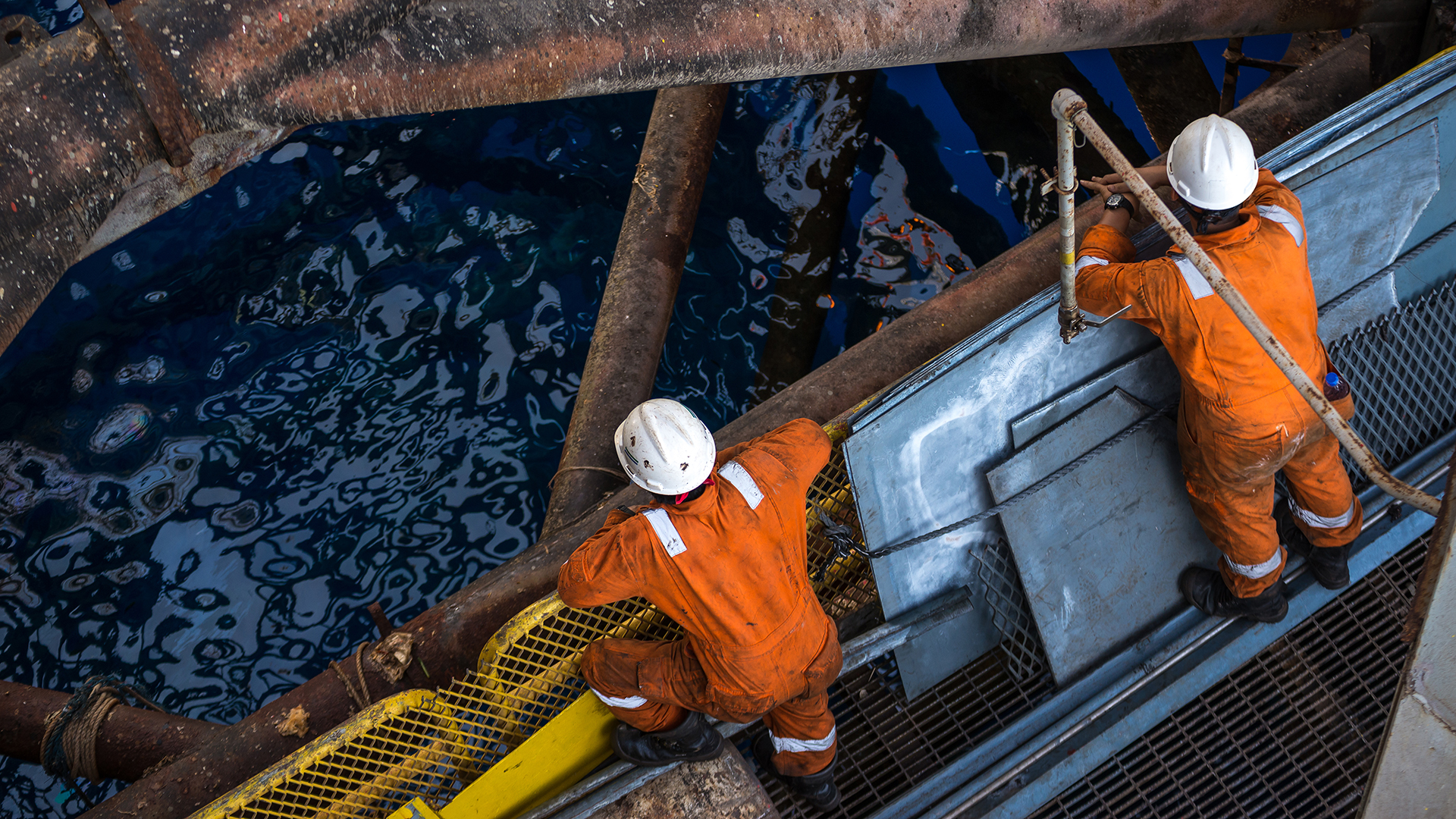
On July 14, 2022, the US Occupational Safety and Health Administration (OSHA) announced another in its enhanced enforcement initiatives to protect workers from known industry hazards.
To stress the dangers in trenching and excavation work, OSHA will use “every available tool” to address how it will evaluate penalties for trenching and excavation-related incidents, specifically including potential criminal referrals to hold employers accountable when their acts or omissions result in worker injury or death.
OSHA noted that, in the first half of this year, 22 trench incident deaths occurred, far surpassing the total for all of 2021. A cubic yard of soil weighs as much as 3,000 pounds and can result in crush and suffocation in a collapse.
Consistent with its National Emphasis Program for excavations, OSHA states it intends to perform over 1,000 random trench inspections, at any excavation site in the country.
Trenching standards require protective systems on trenches deeper than five feet and soil and other materials kept at least two feet from the edge of a trench. Additionally, trenches must be inspected by a knowledgeable person, be free of standing water and atmospheric hazards and have a safe means of entering and exiting prior to allowing workers to enter.
OSHA’s On-Site Consultation Program will assist employers in developing strategic approaches to avoid trench-related workplace incidents. Its trenching and excavation webpage provides additional information on trenching hazards and solutions, including a safety video.
Publication
The two-component tariff has been mandated in Vietnam pursuant to Article 50 of the amended Electricity Law 2024 and Government Decree 146/2025/ NĐ-CP.

Publication
Since the 2024 amendments to Ontario’s Construction Act under Schedule 4 of Bill 216 (Building Ontario For You Act (Budget Measures), 2024) received royal assent, project owners and construction companies have been holding their breath for the amendments to come into force.

Publication
The Sustainable Harnessing and Advancement of Nuclear Energy Act, 2025 (the SHANTI Act) came into effect in India on 21 December 2025. The SHANTI Act is the most sweeping reform of India’s nuclear regime to date, repealing the previously existing Atomic Energy Act, 1962 and the Civil Liability for Nuclear Damage Act, 2010 (CLND Act).
Subscribe and stay up to date with the latest legal news, information and events . . .
© Norton Rose Fulbright LLP 2026